Vultures
Today I want to discuss vultures. There are two main varieties and both belong to the large order of fearsome birds, the Accipitriformes. The four families within this order are Sagitariidae, Pandionidae, Cathartidae, and Accipitridae. Let's quickly break them down.
Sagitarridae contains the Sagittarius serpentarius, the secretarybird. This is an unusual, amazing raptor that stomps its prey to death in a throwback to the Mesozoic period. It is a beautiful African bird and I would love to see one in action.
Pandionidae contains the osprey. Also known as the seahawk, this raptor is specialized for hunting fish and can live by basically any water source. I squeal when I see them because they are uncommon in the dry Los Angeles region.
Accipitridae contains the familiar raptors: eagles, hawks, and buzzards. It also includes the Old-World vultures.
Fun fact/side-note: Falcons are not in this family or even this order. It makes sense given the physiological differences between falcons and similarly-sized hawks. The wing shape is telling, as is the difference in beak. DNA evidence suggests falcons are more closely related to parrots. I consider this totally plausible, and I wonder if the bird lineages developed independently on different continents.
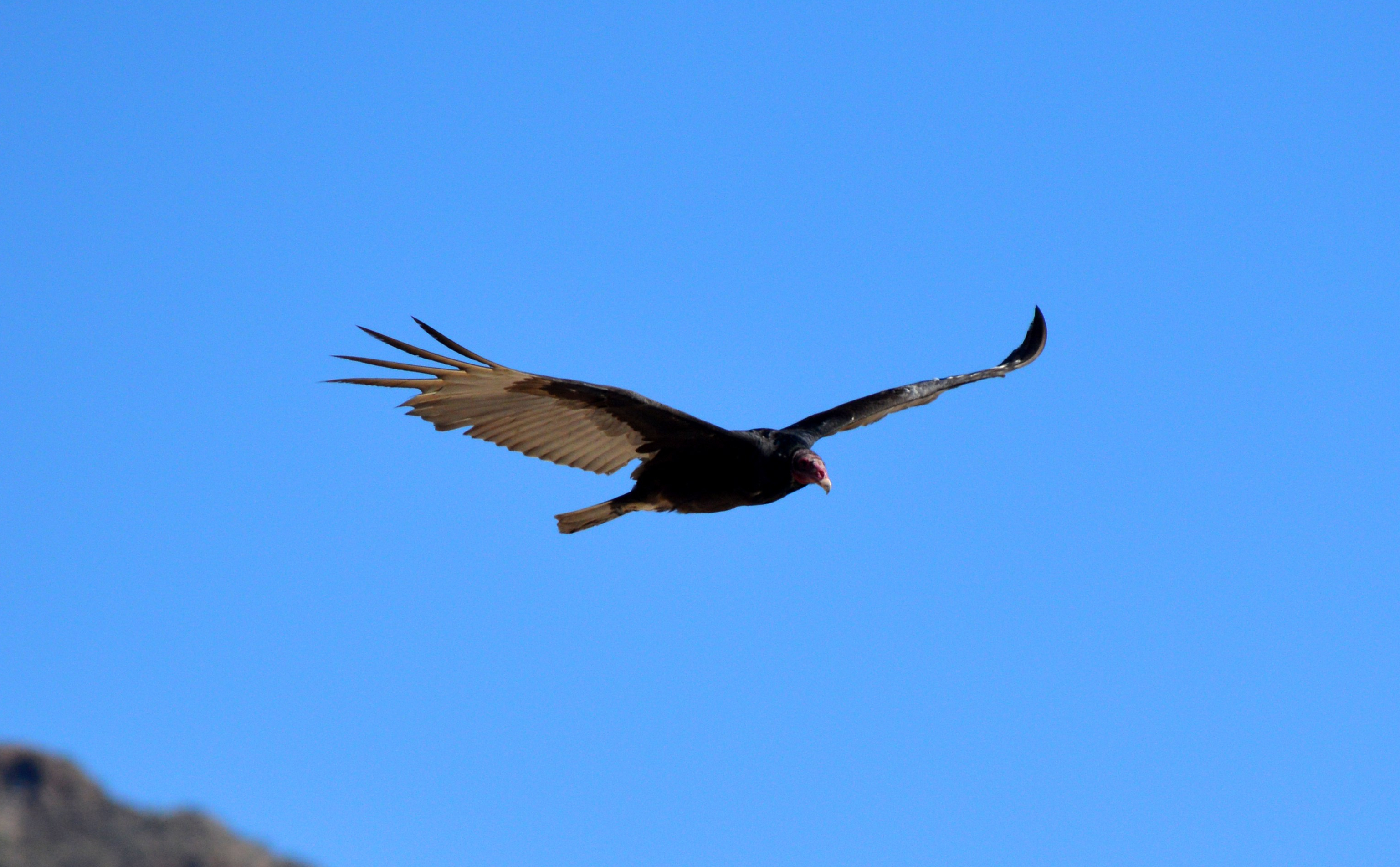
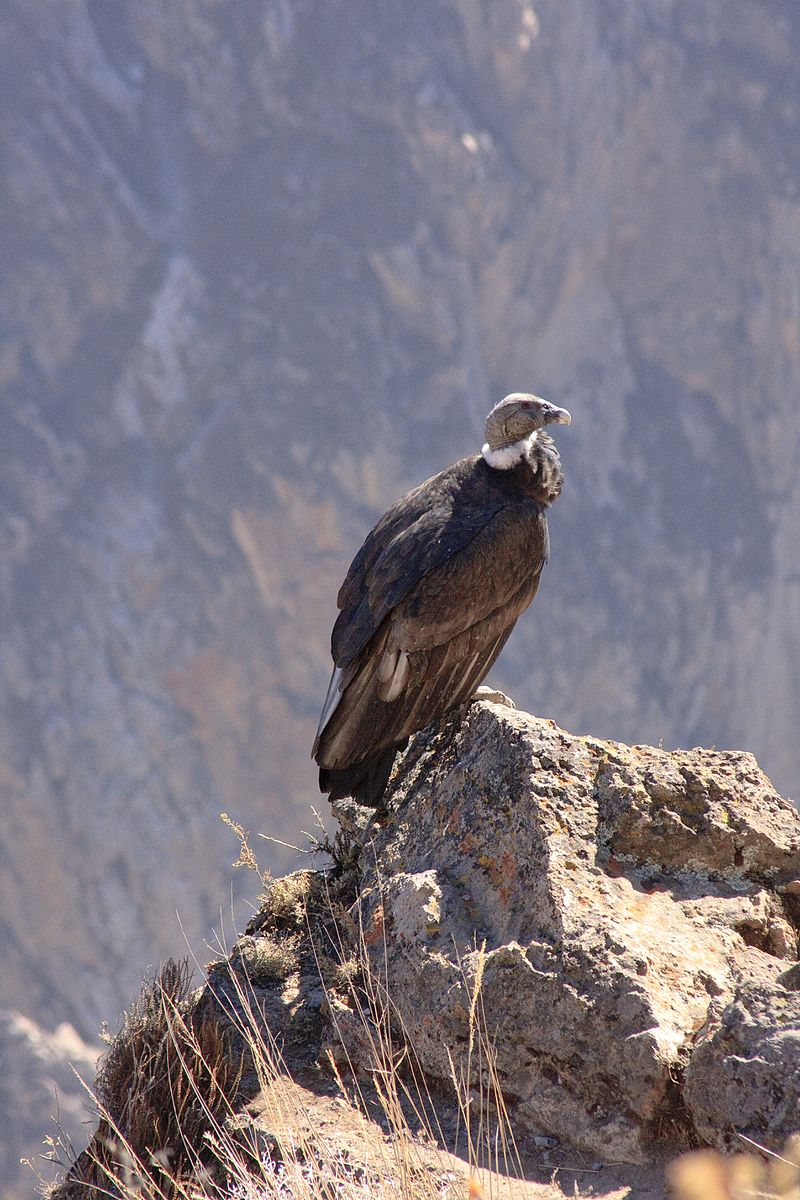
Lastly, Cathartidae contains New-World vultures, the main topic of this entry. As a Californian, one species of New-World vulture is very familiar: the turkey vulture. This bird is huge, with a wingspan as long as an NBA player is tall. It soars high on thermals and is usually apparent on a clear day.

Thus ends the breakdown of Accipitriformes.
There are two main types of vulture: the Old-World vultures and New-World vultures. As they occupy different families within their order, they are not closely related. Their genetic lineages diverge, yet their characteristics converge to occupy the same ecological niche: the ultimate scavenger.
Very few animals can do what vultures can. The vulture digestive system destroys carrion and any harbored infectious diseases. How? First of all, the gastric acid of a vulture is 100 times more concentrated than the gastric acid of a human. How is a vulture stomach lining able to withstand such corrosion? Second, the guts and even facial skin of New-World vultures contain flesh-eating bacteria. What a perfect symbiosis! Why do the bacteria not harm the vulture?
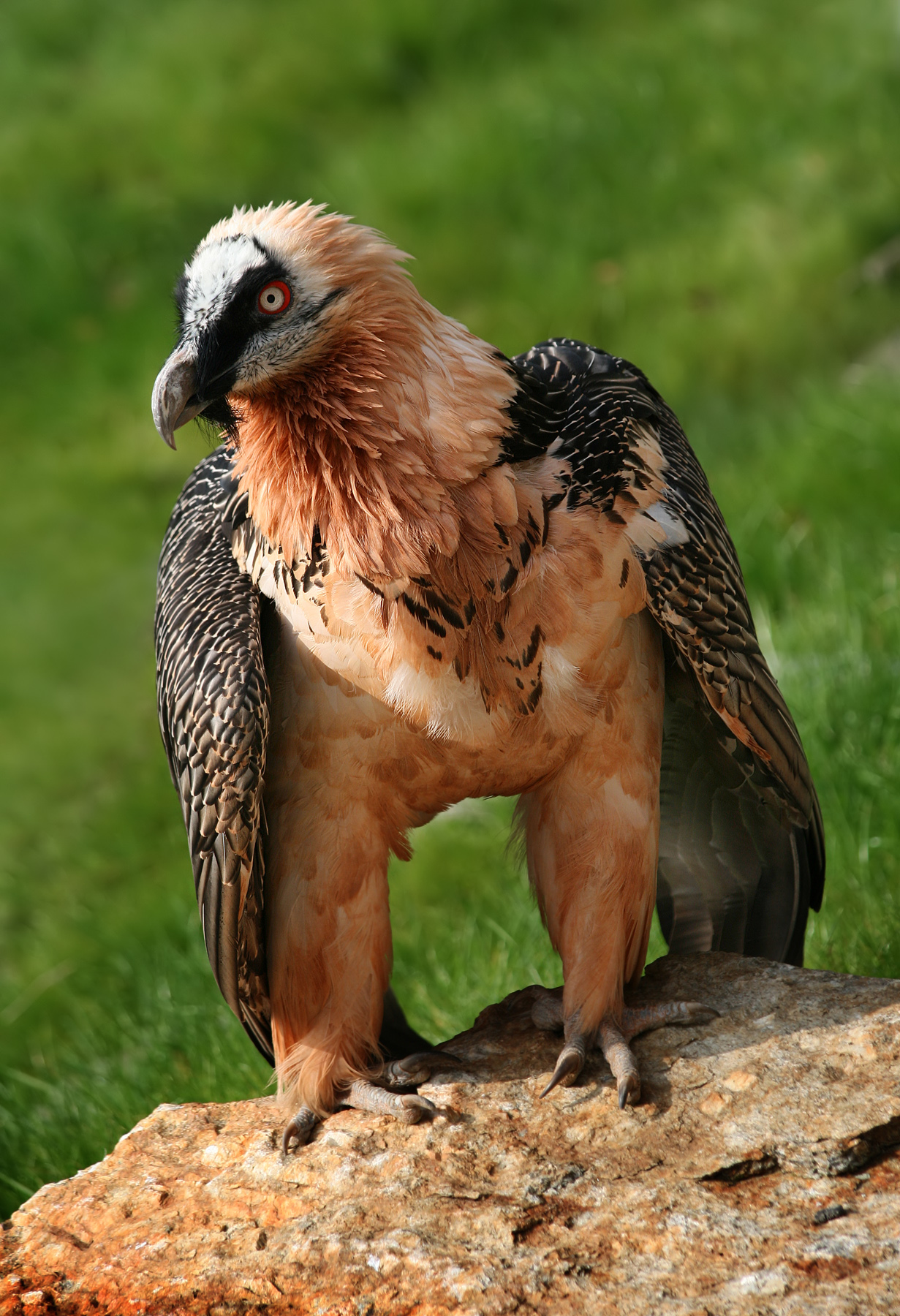
Perhaps the most interesting fact about vultures is that their diversity reflects the various niches of scavenging. The bearded vulture, for example, specializes in eating bones. Yes, whole bones! It has no interest in meat, only marrow. Thus, the bearded vulture welcomes the work of its cousins.
A cooler example is that of the Amazon. Among all vultures, only three species of New-World vultures can smell. This includes the turkey vulture. Its range extends into South America and overlaps with many larger vultures. These larger birds, such as the king vulture, cannot smell. So how do they eliminate dead bodies in the jungle?
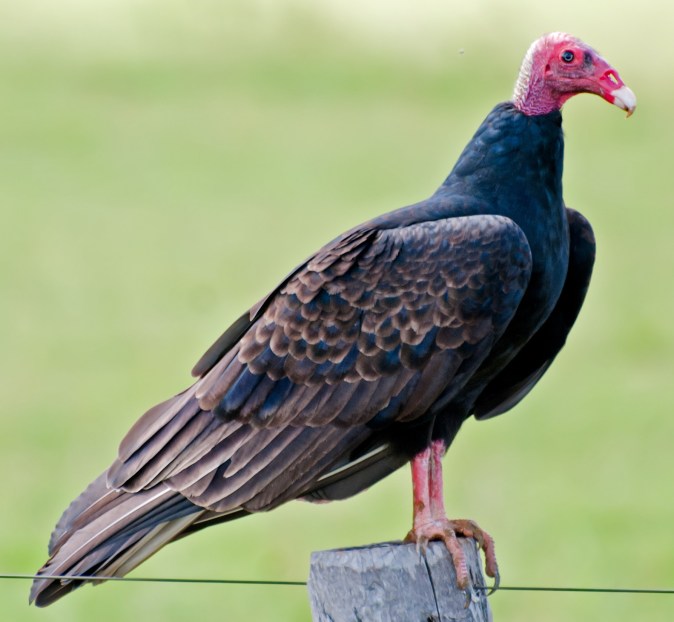
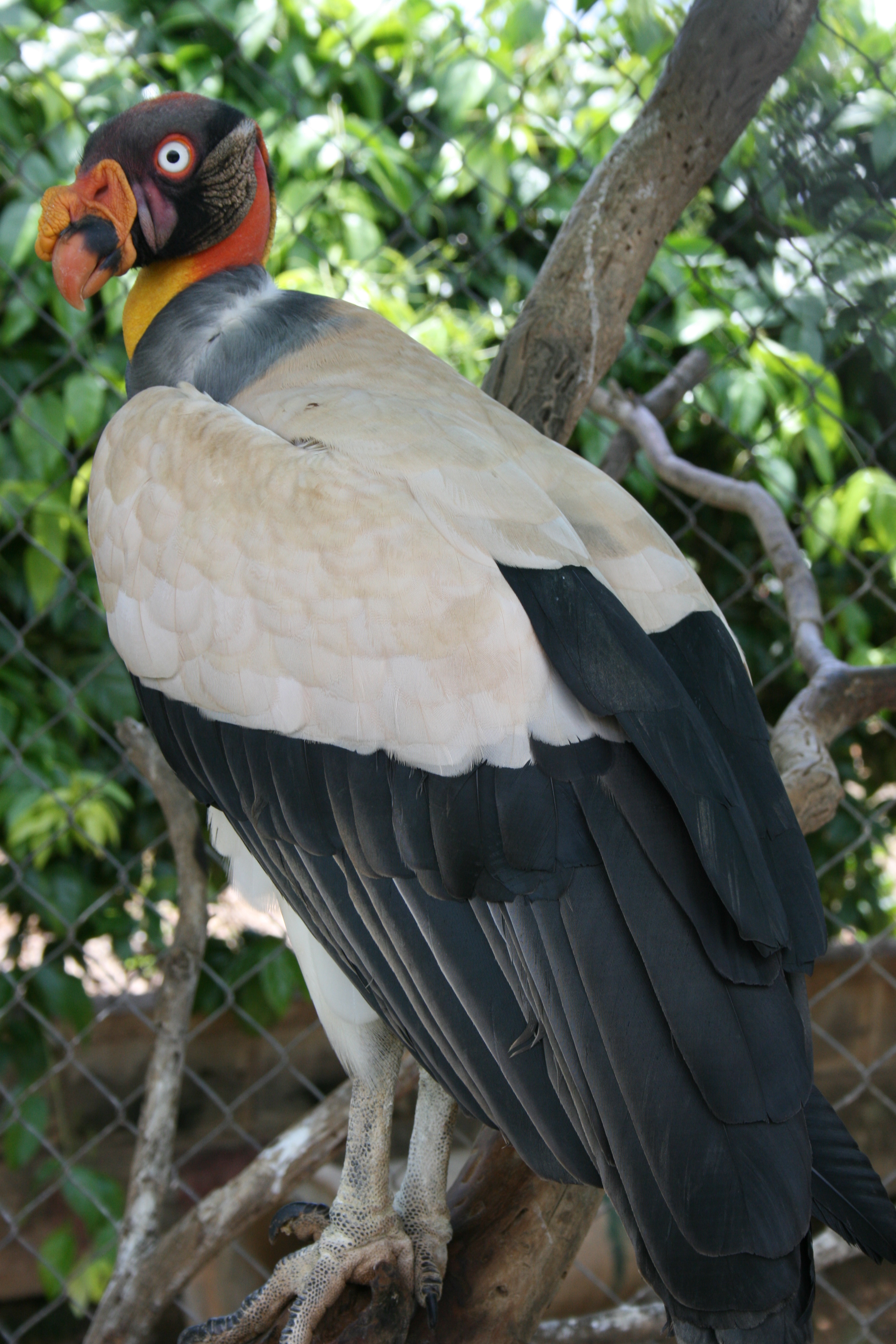
Teamwork! The turkey vulture sniffs out the carcass from way above the forest canopy. As it glides down, nearby vultures take notice. The king vulture follows, and upon reaching the carcass, shoves aside the turkey vulture. This is fine for the turkey vulture, because the king vulture can actually tear the carcass open with its beak. This allows the turkey vulture to access the meat, only different cuts than what its larger cousin eats. Together, the vultures consume the entire carcass.
Vultures can destroy virtually anything with their digestive systems. So how can poisons in food virtually destroy the Old-World vultures as they exist? The most noteworthy case is Diclofenac poisoning in India. Diclofenac is a painkiller administered to work animals. When a work animal dies with this drug in its system and a group of vultures consume its carcass, they all die. The drug is extremely toxic to Old-World vultures and has doubly decimated populations in India. The drug is not very toxic to turkey vultures. Why are New-World vultures able to tolerate poisons that kill Old-World vultures?
India faces an ecological crisis and Africa may soon follow. Without vultures and their strong stomachs, infectious disease will spread. Introducing turkey vultures probably wouldn't help. Hopefully the Jatayu Conservation Center can bring back the native Gyps vultures. Until then, the loss of vultures poses a public health threat.