Convergence of Flight
Within the animal kingdom, only a handful of lineages evolved flight.
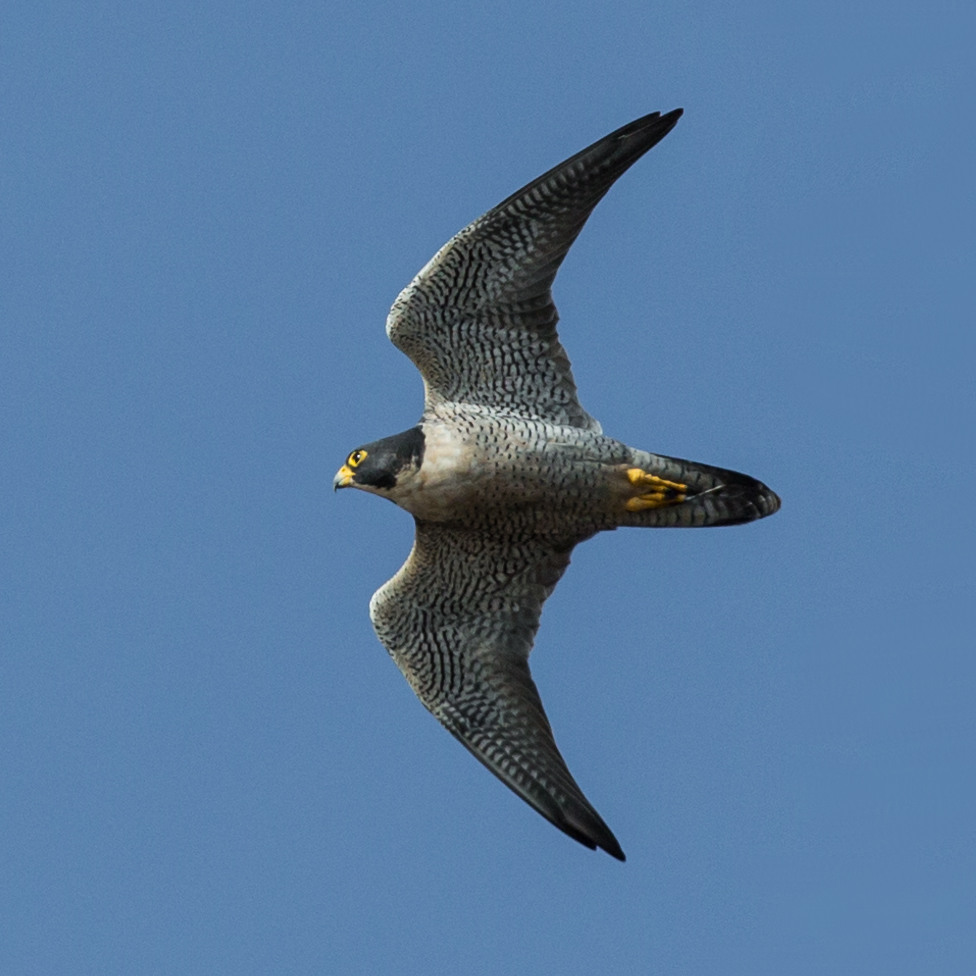
Birds are the undisputed masters of flight. This is because, in this day and age, birds pose the largest and most powerful flying creatures. Consider the golden eagle and 400 PSI of grip pressure between its large talons. To such a fearsome raptor, other fliers must look like either food or dust.
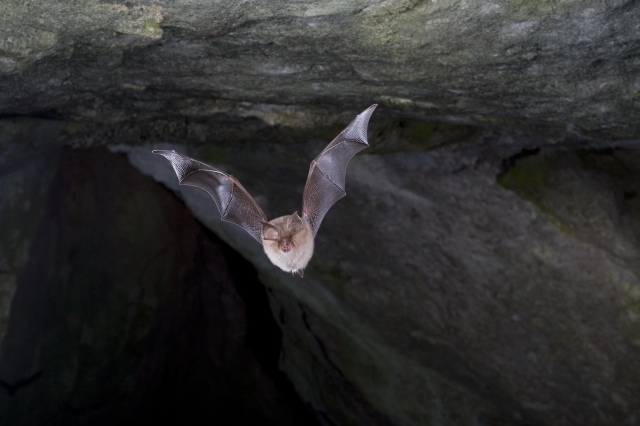
Bats are the only mammals capable of powered flight, and boy can they fly! The second most diverse order of mammals, bats have evolved to fit so many niches. Some bats eat fruit, others eat bugs, and others eat nectar. Some rely on smell and others rely on hearing. All fly with excellent maneuverability. Certainly not the biggest thing in the air, bats can seem pretty scary to moths.
Bugs are the original fliers. Two lineages comprise winged insects called Neoptera and Paleoptera.
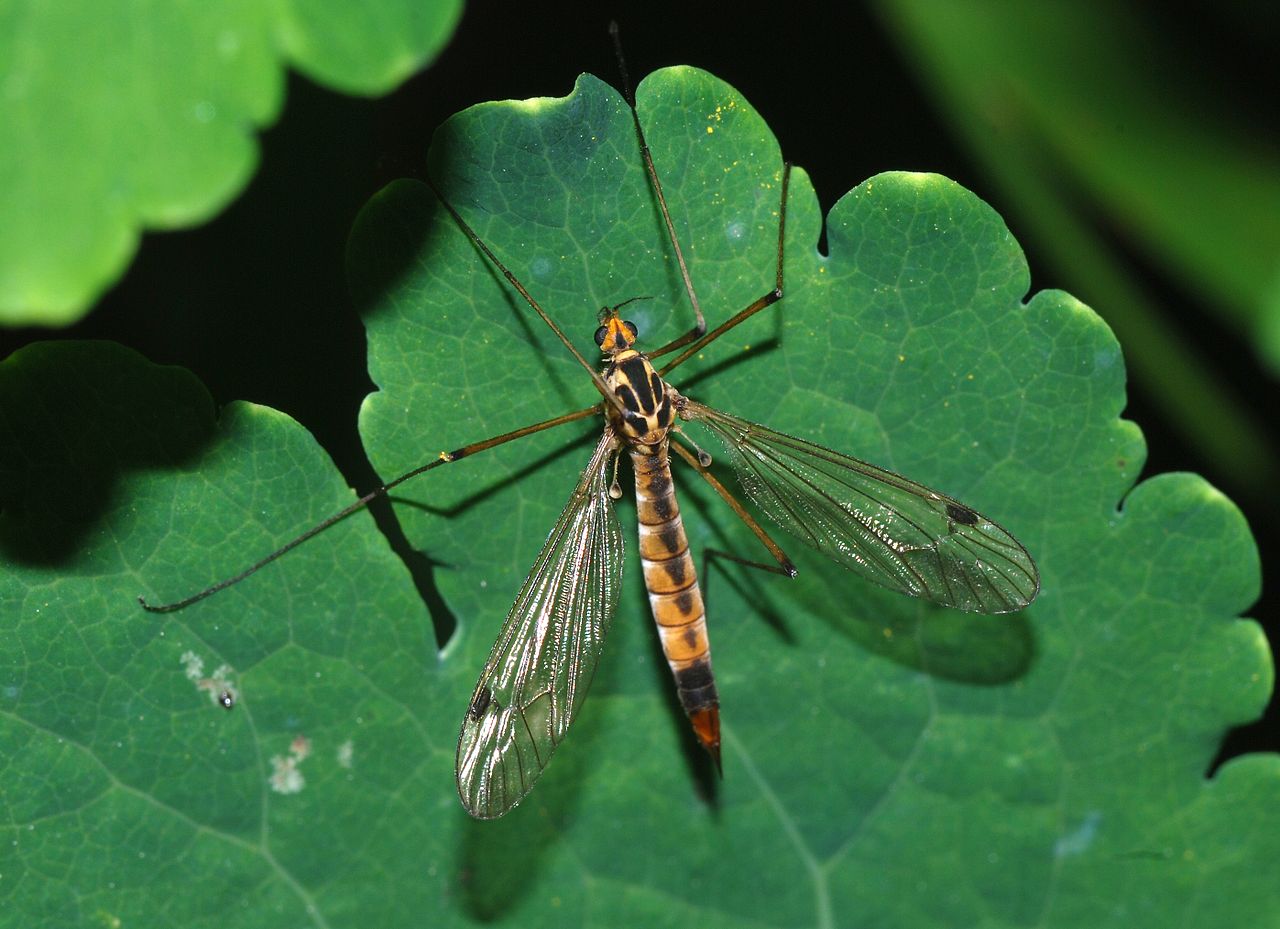
Moths and most flying insects are in the Neoptera subclass. These advanced insects evolved an indirect flight method. They do not directly move their wings using muscles. Instead, they actuate muscles to stretch and squeeze the thorax or central body part. I imagine it kind of like the angel wings in Oldboy. The wings connect to the body here, so when the thorax vibrates, the wings flutter. Some insects can even achieve multiple flutters with a single nerve impulse.

How can you qualitatively judge an animal's evolutionary fitness? Perhaps one metric is the creature's evolutionary history. Crocodilians, for example, persisted on this planet for over 100 million years and even survived the K-T extinction event which wiped out most dinosaurs. That they have not changed much in that much time indicates that this is an optimized animal for an ecological niche. Don't fix what ain't broke!
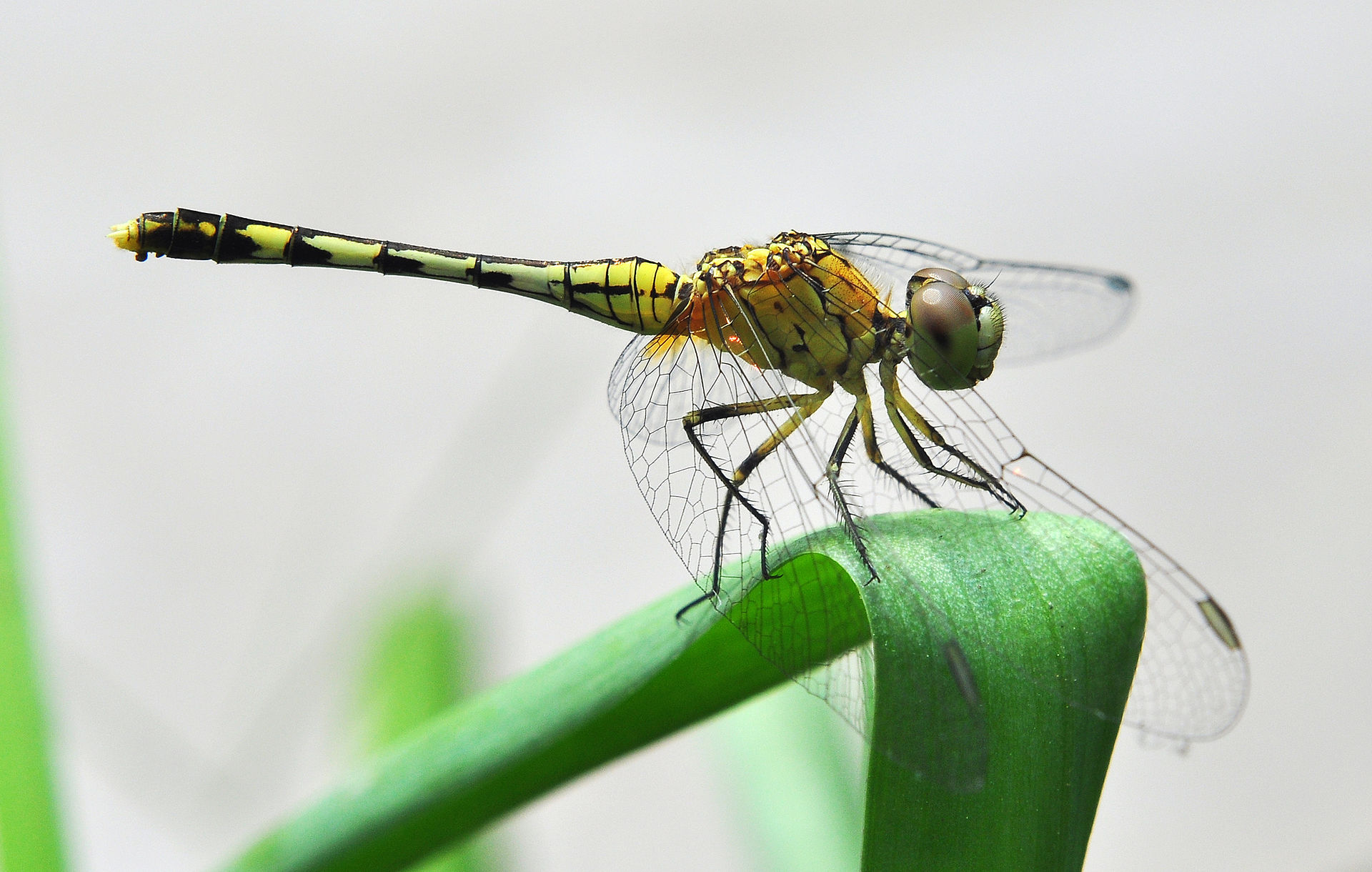
Dragonflies and other members of Paleoptera must be, by that reasoning, the optimized flying predator. For 300 million years, these animals existed on this planet. Today they are much smaller than they were during, for example, the carboniferous period. During that time, oxygen was so abundant due to the proliferation of plants that insects could grow very large. Among the most fearsome predators at the time was the griffinfly. Imagine a dragonfly. Now imagine a dragonfly as big as a cat. This is essentially what a griffinfly would look like. And if I looked anything like a smaller fly, I would stay the hell away from this predator.
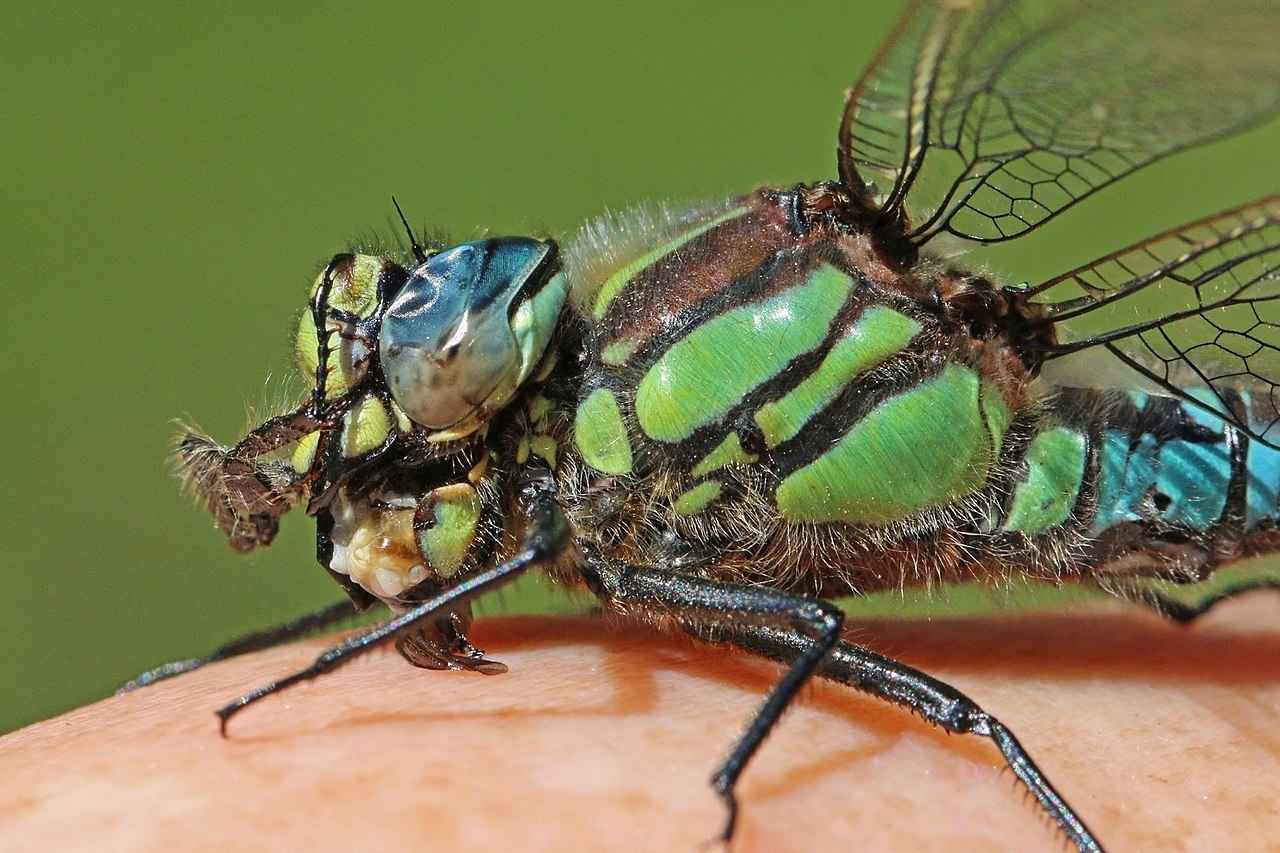
Dragonflies and their allies are the original fliers. With two pairs of wings anchored directly to muscles in their thorax, these bugs are powerful and agile. A dragonfly can control each of its four wings independently, and it does so with barely a conscious thought. Much like the shark has evolved into an instinctively driven oceanic killing machine, the dragonfly evolved into an instinctively driven aerial killing machine. Its nervous system identifies prey using an intricate compound eye, directs the flight trajectory to catch the prey, and grabs a bite with an appendage, all without a second thought. The efficiency and grace of this insect conjures an image of the mythical beast which inspired its English name.
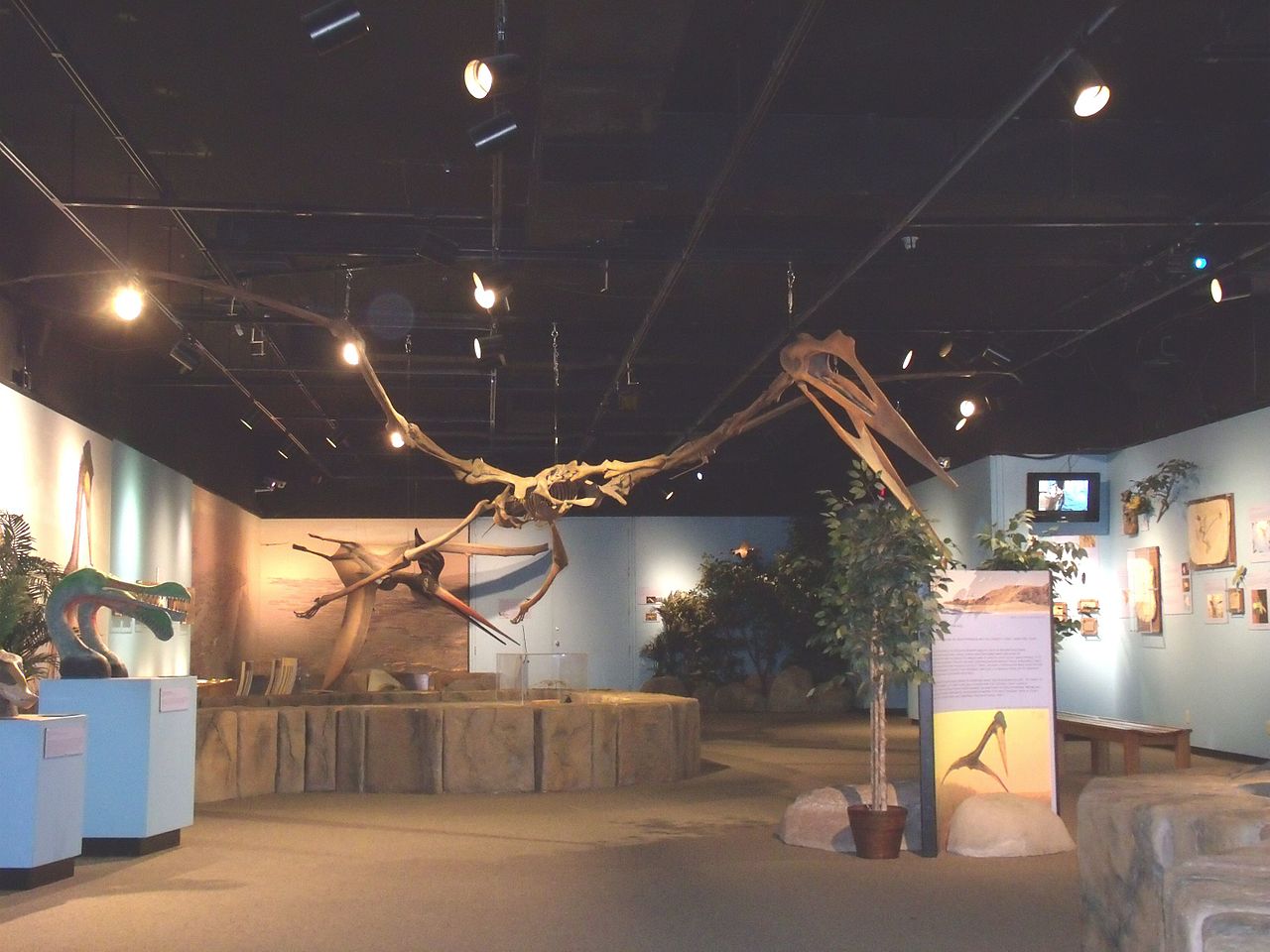
There was another group of fliers: the pterosaurs. These extinct animals included the largest flying animals known to exist. Current research indicates pterosaurs are distant cousins to birds. Archosaurs split into two surviving lineages, with one leading to modern crocodilians and the other to modern birds. Pterosaurs evolved powered flight long before birds, and they represent the first vertebrates and tetrapods to fly. Not much is known since none exist today, but their sheer size inspires awe. Above all else towered the Quetzalcoatlus, a long-necked pterosaur with a 10-meter wingspan. How this giant animal could fly remains a subject of debate. I want to point out, though, that this pterosaur had a really long neck and it looks like it flies awkwardly in much of its paleoart. I cannot believe this! Either this pterosaur was too large to fly (plausible but supposedly weak on evidence) or it flew in a less awkward manner. I propose that, like the herons of today, Quetzalcoatlus could retract its neck during flight. No basis for this, just a hunch!
Bats, birds, pterosaurs, and insects paint an interesting picture of a world with not two but three degrees of freedom.
The first to take to the skies were insects; of course, how this happened is a current subject of debate. Insects certainly are the most ubiquitous fliers currently living. They support bats and birds with nutrition, forming a keystone in any local ecology. Yet, their divergent flight lineages offer two distinct pictures of bugs as we know them. The name Neoptera implies that its members are more advanced than the more primitive members of Paleoptera. But the real difference seems to be the way each group flies. Paleoptera insects like the dragonflies of Odonata boast direct flight with fine control. Did this form evolve first? That is what the name implies! Perhaps Neoptera obtained flight through convergent evolution instead. Still, the wings appear similar--transparent, veiny--so insect wings may have evolved first and in common to both branches. How? One plausible theory supposes that insect wings emerge from their gill-like structures as nymphs. This means that as the bugs mature into adulthood, their wings form. Perhaps flying insects evolved from gliding insects, as seems to be the case for dinosaurs and mammals. This is fun to think about so keep it in your mind for the next time you see a dragonfly.
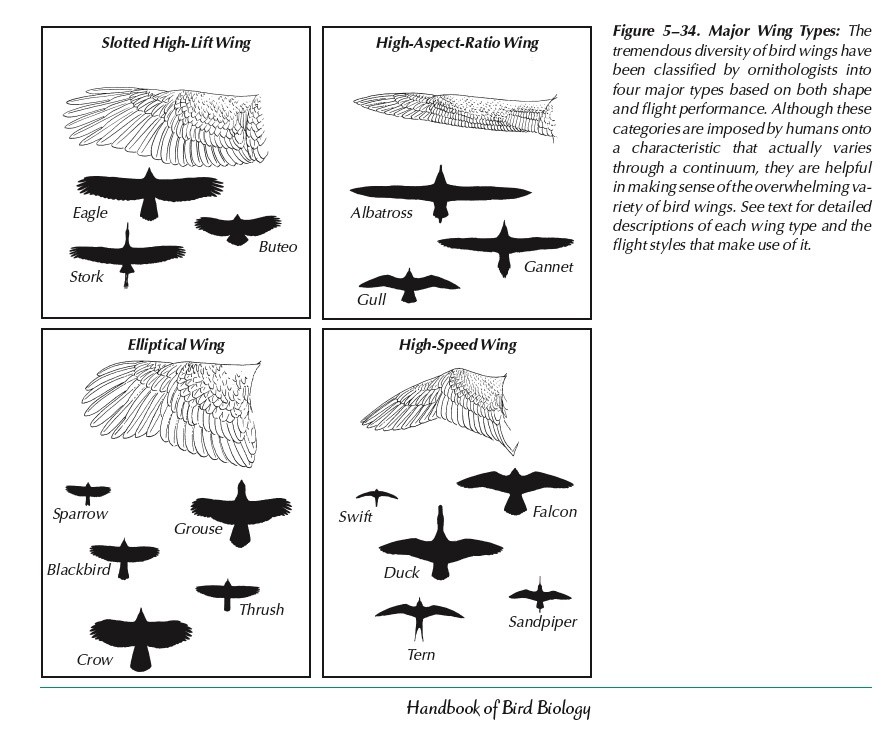
While pterosaurs were the second group to evolve powered flight, the third time's the charm as exemplified by birds. For birds, wing shape plays a key role in flight style. Eagles and vultures have broad wings with finger-like feathers called slots sticking out at the ends. These slots help the bird soar on thermals, rising columns of warm air, in a passive soar. Dynamic soaring is exemplified by migratory seabirds such as the albatross. Their long wings don't usually flap; instead, they navigate air currents, moving between currents of different air pressure to gain speed. Many birds have elliptical wings, which may or may not be slotted. These allow for maneuverability and even acrobatics among the more daring species such as the raven. Elliptical wings make takeoff easy and fast, but they limit in terms of speed. High-speed wings, as seen in falcons and swifts (and even ducks?!), are distinctly shaped. These wings are long, thin, and curved with points, and they aren't exactly light as a feather. Birds with this style of wing expend a lot of energy with every flap, but this pays for extreme speed as is the case for the peregrine falcon. Extreme dive speeds are cool, but in terms of absolute speed, perhaps the hummingbird wing is the fastest. Small and fast, these wings beat forward and backward to allow the bird to hover in front of an ornithophilous plant. Together, the diversity of wing shape underscores the diverse evolution that began in the Jurassic.
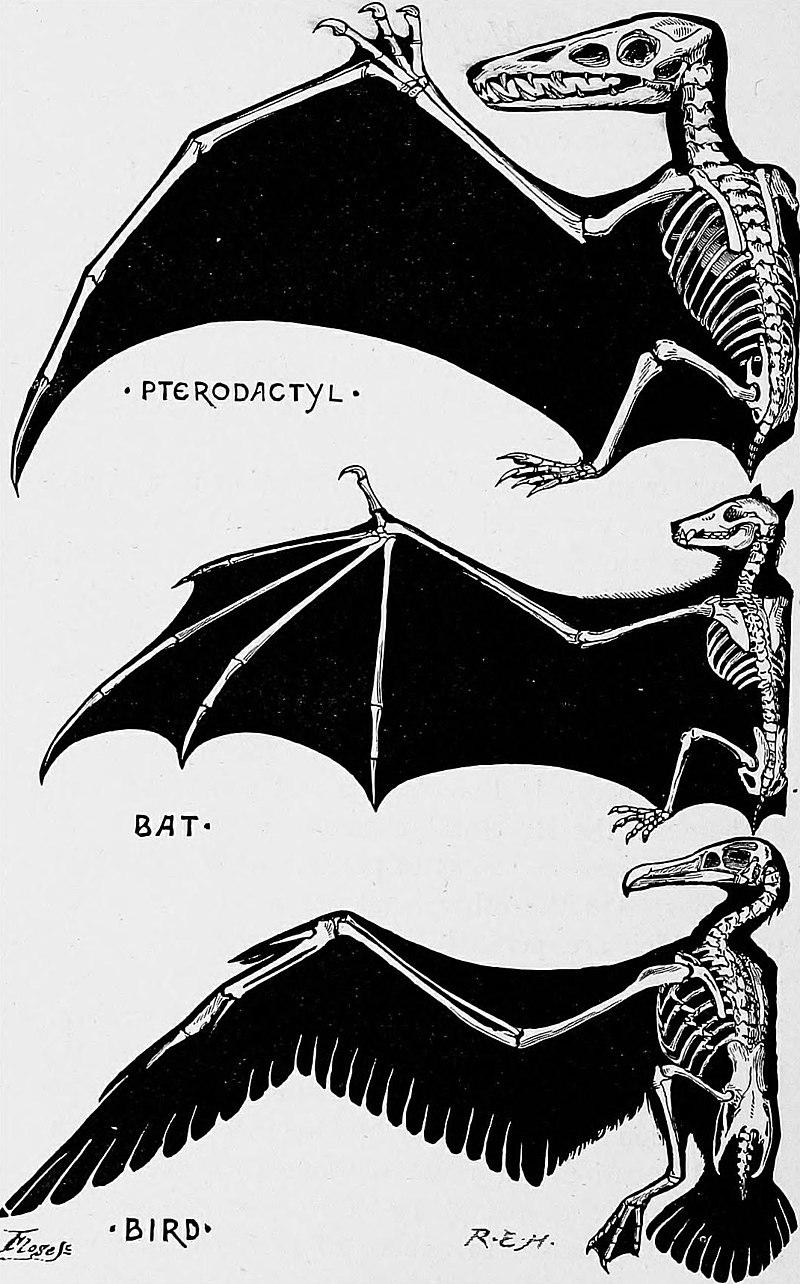
Bat wings look more like pterosaur wings than bird wings. This is because the flying mammals' wings consist of flexible skin connecting their digits. The mammalian order Chiroptera, hand-wing, is named for this reason (as opposed to pterodactyl's wing-finger). This wing design offers bats unparalleled aerial maneuverability. If you see low-flying bats like Yuma myotis, you notice they can fly smooth and straight or they can fly in an erratic zig-zag as they chase down delicious insects. Unlike birds, bats don't use their tails at all for steering. They use their fingers! But unparalleled agility comes at an energetic cost. Bats are almost constantly eating to support their rapid flight. Owls and hawks, on the other hand, can act more deliberately with wing beats. A raptor just has to chase a bat until it tires, while the bat has to keep eating to not tire. Nevertheless, this would be an epic chase.
So there you have it: a discussion of flight in animals. By reading this, I hope you come up with interesting questions and set about answering them. The convergence of flight is a remarkable case of convergent evolution. The four groups of animals that acquired this ability did so in different ways but ultimately for the same purpose: mobility. With the z-axis unlocked, flying animals enjoyed an otherwise empty ecosystem: the open skies.